




Walk-In Series - Coops
Common Concerns
Updated 2/5/2026
In the world of backyard chicken keeping, opinions fly (pun intended) — folks post reviews, share stories on forums like BackYardChickens, and compare notes on everything from price to predator-proofing. We’ve earned strong feedback across the board, including a 4.8/5 rating on Trustpilot from over 745 real owners who rave about the cedar durability, easy assembly, and hassle-free ownership after years in the field, plus consistently high marks on Google (with customers highlighting solid builds, great support, and long-term performance in real backyard setups). That said, no product is a perfect for everyone, and we’ve heard common questions and gripes loud and clear over the years. And since people are free to pretty much post whatever they want wherever they want… truth or not, we’re sort of left to “post” defense of what we do and what we feel are the facts to back it up.
This FAQ page lays them out straight—no dodging, no spin—just honest answers backed by our 15+ years building our coops, poultry science facts, us keeping thousands of birds of every breed in our coops, and tens of thousands of flocks thriving in our designs in all 50 states. Whether you’re wondering about value, space, or a tweak to fit your needs, we’re here to give you the full picture so you can decide if Roost & Root is the right fit for you and your hens. Or not! Literally, the last thing in the world we want is an unhappy customer. We will do just about anything to defend our reputation and product in this internet world we live in. This is how we pay our bills, and us and our workers provide for our families. We’re super committed to what we do and value avoiding misunderstandings.
If something’s missing or you want to chat specifics, email text or call us… we love talking chickens.
We hear this one a lot—it’s a fair question when you’re staring at our prices (like the Backyard XL Model 2 at around $1,799 or larger walk-ins pushing $6,000+ depending on options). But the comparison falls apart when you look at apples-to-apples materials and quality.A basic DIY or custom-built coop with pressure-treated pine, standard screws, chicken wire, and plywood might run $250–$1,000 in materials alone (per 2026 estimates from sites like HomeGuide and Easy Coops), and that’s before labor, tools, or time. Hiring a carpenter adds $500–$2,000+ easily for a small-to-medium coop, pushing totals to $1,000–$4,000 or more for something sturdy. But those builds rarely match what we use:
- We build exclusively with top-grade Western Red Cedar lumber (not pine or fir that warps/rots faster), stainless steel hardware (rust-proof and long-lasting), and heavy-duty 16-gauge galvanized welded livestock wire (far stronger than flimsy chicken wire or hardware cloth that predators claw through).
- Cedar’s natural rot/insect resistance means no chemical treatments needed, and it lasts 10–15+ years outdoors without constant maintenance or replacement—something cheaper woods or imports can’t claim without extra sealing/painting costs piling up. Cedar shavings cannot be confused with Cedar lumber. Cedar lumber does not have an off gassing problem.
- Our coops are pre-cut Smart Kits™ for easier assembly (most folks finish in the time we say with basic tools), USA-made in Texas with real support from chicken keepers who answer the phone, not factories.
If you’re okay with basic materials that might need rebuilding in 3–5 years (or less) sure—cheaper options exist (Tractor Supply kits, Amazon imports, or a quick shed conversion). But when people compare our premium build to a budget carpenter job using inferior stuff, it’s not the same product. Thousands of owners on Trustpilot (4.8/5 from 745+ reviews) and BackYardChickens threads say the upfront cost pays off in durability, fewer headaches, and healthier hens—no rot, no predator breaches, no yearly fixes.
Bottom line: You get what you pay for. If premium USA-made cedar, stainless, and welded wire aren’t priorities, there are cheaper paths. But for a coop built to last and perform like ours, the math favors the investment over “bargain” alternatives that often end up costing more in time, repairs, and lost birds. Check our product pages for exact specs.
This is one of the most frequent questions we get — and it’s completely understandable. Space is a big deal when you care about your birds.Here’s the straightforward answer:
We use a minimum 4 ft² of daytime run space per average-sized hen. That number comes directly from poultry scientists we’ve consulted at Texas A&M University and aligns with the USDA’s general guidance for backyard/controlled housing of standard-size laying hens.
Quick reality check on the 4 ft² guideline
- Jersey Giants, very large breeds → Yes, they do better with more than 4 ft²
- Average commercial layers and dual breeds, Orpingtons, Rhode Island Reds, Australorps, etc. → 4 ft² is considered adequate
- Bantams → 4 ft² is actually generous for them
This is guidance, not a hard law. There’s no single magic number that fits every breed, every climate, every management style. It’s fair guidance.
What we’ve actually seen after 10+ years
We’ve housed thousands of hens across hundreds of our coops using exactly this math. More than 50,000 hens live in more than 10,000 of our coops… and counting! Our own flocks (and many customer flocks) are inspected periodically for disease and welfare — crowding-related problems have never been an issue.
Important observation that almost everyone notices once they live with hens: Chickens are extremely social and pile up together anyway. Even when you give them 10–15 ft² per bird, on any given day most of them will still be within 2–3 feet of each other. They like company. A lot.
Extra space mostly buys you less cleaning, not dramatically better health
More run space is nice — it definitely reduces how often you have to rake or refresh the run. But going from 4 ft² → 8–10 ft² per bird does not produce the huge jump in health, egg production, or happiness that many people expect when they first read about it.
If you want / need more space — very easy options
- Let them out for supervised or secure daytime free-ranging a few hours a day (most people do this anyway)
- Attach a simple wire run extension —many owners just build their own or buy a dog run online. Every one of our coops has a built in turnout door that is designed to even be used with an automatic door if you like. Many brands like Omlet, OverEZ, and others require you to add a run — they don’t even provide a built-in run at all. You’re buying a roost and egg boxes. Our coops come with all three!
Bottom line: Our 4 ft² per bird is pure outdoor run space — we don’t cheat the math by counting roosting area, nesting boxes. It’s a conservative, science-backed, welfare-appropriate number for the large majority of backyard flocks. And for people who want even more room (totally valid), it’s very easy to add on.
Thousands of hens are living happy, healthy, productive lives in these coops every single day in all 50 states. If your birds are standard size and you follow basic good management (clean water, good feed, reasonable cleaning schedule), the 4 ft² standard has proven to be plenty.
Happy to talk specific breeds or your exact setup if you want a more tailored opinion.
Well first off, our instructions recommend two people for many if not all the assemblies. Our coops are big. Panels are big to reduce assembly time. Two people are needed in many, many steps. When people go solo, its not our advice.While assembly is designed to be straightforward with basic tools like a cordless drill and hammer, real experiences vary based on model size, help available, and how prepared you are. The good news: Overwhelmingly positive feedback from actual owners backs up that it’s user-friendly, especially with our Smart Kits™ (pre-cut panels, organized hardware, detailed written instructions, and step-by-step YouTube overviews for every model).
From Trustpilot (where we hold a strong 4.8/5 from 745+ reviews as of early 2026), customers repeatedly highlight ease and clarity:
- “The coop was easy to build with clear instructions. I put this one together by myself, the directions were fabulous.”
- “It is relatively easy to put together. I would suggest two people to assemble the coops, just to help hold pieces in place while drilling. The instructions are clear and coops can easily be put together in one afternoon.”
- “The kit was easy to put together… Super fast efficient shipping, quality and quantity of parts, ease of assembly were all positives.”
- “It took my husband 3 hours to build it with ‘help’ from our three small children.” (Starter XL model—realistic for a family setup.)
- “Solid cedar construction and well thought out design makes for a coop that is easy to assemble and will last for years. I was able to put it together in a little over an hour.” (From a handyman on Yelp who considered DIY but chose ours.)
On BackYardChickens forums, owners share similar wins: One user said, “Easy to follow assembly just my hubby and I. Sturdy construction and beautiful end result.” Another noted the cedar smell and ease after waiting on demand.
Sure, a couple mention it took longer than estimated (e.g., “double the time” for bigger models like walk-ins), or suggest two people for holding panels—but people are different. If you’re worried, just about any teenaged kids or handyman and a helper who is willing to read the instructions can do it. We don’t hide that; our videos show real-time builds, and we recommend extra hands for anything beyond the compact Starter/Backyard models. Minor fit tweaks (sanding a panel or adjusting a screw) happen rarely (cedar expands/contracts naturally), but we stand behind it with quick replacements if needed—no charge—and lifetime USA-based support from chicken folks who pick up the phone.
Bottom line: It’s not “snap-together” plastic, but it’s far from a nightmare—tens of thousands have done it successfully, often praising the detailed instructions and how parts arrive organized. If you’re at all handy (or have a buddy who is), expect a rewarding project.
Watch our assembly videos on YouTube for a preview—they’re straight from the shop. And if something’s off on arrival? We fix it fast. Your flock’s fortress is worth the effort, and owners agree it’s one of the easiest premium kits out there
Great question—lots of folks ask this when they see brands advertising “pre-built” or “assembled delivery.” The short answer: Our coops include integrated runs (the enclosed outdoor space is built right in), which makes them complete, spacious, and predator-proof from day one. That same feature makes full assembly and shipping impractical or wildly expensive for most customers.Here’s why kits are the realistic (and smartest) way we go:
- Size and shipping reality: Our designs have attached runs that can span 6 or 8 to 20 or more ft long depending on capacity. They’re too big and awkward to ship fully assembled down highways without massive oversize trucking fees. Shipping a pre-assembled large coop with run often adds thousands in costs alone (common carrier quotes for similar oversized structures run $1,000–$3,000+ beyond standard freight, per backyard forums and shed delivery discussions). We’d have to pass that on, jacking up your price dramatically or limiting us to local-only sales. Our coops are in all 50 states and beyond.
- Getting it into your backyard: Even if shipped assembled, you’d face the nightmare of maneuvering a giant structure through gates, over lawns, or around fences. Many owners end up hiring building movers, tearing down sections of fence, or renting equipment—just to place it. That’s not convenient; it’s a hassle. Our Smart Kits™ arrive in manageable panels and boxes (via standard UPS, or LTL freight), so you (or two people) can carry pieces through a standard gate and assemble on-site without drama. Even our 40 foot long Heritage works this way.
- How we compare to others: Brands like OverEZ ship in large boxes (often as flat-pack kits with pre-cut parts) and require assembly—reviews and their site confirm most models arrive unassembled, with videos showing 2-person builds in a few hours. True “pre-built” Amish coops (from places like Lancaster Chicken Coops or local shed builders) are often smaller without integrated runs, or they limit delivery to regional areas with hefty fees for distance. Nationwide “assembled” shipping for big coops with runs is rare because of the logistics nightmare—it’s why so many “pre-built” options are either tiny or require add-ons.
Our kits are engineered to be as easy as premium kits get: pre-cut cedar panels, organized hardware in a toolbox, clear written instructions, and model-specific YouTube videos. Thousands of owners assemble, and Trustpilot reviews rave about it: “Easy to put together with clear instructions,” “Put it together in a little over an hour,” “Relatively easy… can easily be put together in one afternoon with two people.” No mystery parts, no endless guesswork.
Bottom line: We could offer assembled versions, but it’d either skyrocket costs (thousands extra in shipping/logistics) or force compromises like no built-in run (making it less complete and more vulnerable). Kits let us deliver premium USA-made cedar, stainless hardware, and full run protection at a price that makes sense nationwide—while keeping assembly straightforward for anyone with basic tools. It’s the practical choice for a real backyard fortress, not a compromise. If you’re worried about the build, watch our YouTube videos first—they show exactly what to expect.
This question is common and fair to ask. Our coops aren’t fully enclosed sheds—they’re built for fresh air, natural hen behaviors, and long-term health—but the protected areas are solidly shielded, and the design plays to chickens’ natural strengths. We favor convertible designs that for the vast majority of the time in the lower 48 provide critical ventilation. When its too snotty, we have you covered. Literally, with our custom made storm panels… really “snow” panels.Here’s the breakdown from our actual builds:
- Cedar roofs with decent overhang cover the main coop interior, nesting boxes, and roost area, blocking direct rain and cutting wind impact. We recommend raised dirt floor to avoid too much ground moisture. Chicken feet need moisture from soil. 100% bone dry is not desirable.
- The run is wire-sided and open-top (or partially covered depending on model) for sunlight disinfection, ventilation for the birds and drying up overly moist soil, and foraging—key to keeping hens healthy and productive. That means in driving rain or gusty wind, some spray can enter the run, but birds can duck into the enclosed, dry roost anytime… or use storm panels. Keep in mind, its mainly air flow that dries things up and keep hens respiratory systems healthy.
- Passive updraft ventilation is a core feature: air flows low-to-high and out the top, expelling moisture and ammonia minimizing drafts on the birds. This keeps the interior drier and healthier than stuffy, poorly vented coops—preventing the real winter killers like respiratory issues or frostbite from wet combs/wattles.
Chickens handle cold way better than heat. Fully feathered, acclimated adults routinely thrive in sub-zero temps (down to -20°F or lower in some backyard reports) as long as they’re dry and out of relentless wind. They fluff feathers for insulation, huddle for warmth, and maintain high body heat—no heaters needed (and often risky). Our enclosed cedar roost stays thermally stable and protected, giving them that safe retreat even midday if weather turns nasty.
For those occasional brutal stretches (a small fraction of the year in most climates), we sell detachable Storm/Snow Panels (corrugated, durable, easy-clip polyethylene) that block sideways rain, wind-driven snow, or extreme gusts while preserving airflow and light (gaps built in). Owners clip them on for storms or winter peaks, then remove for milder days—simple seasonal tweak. Check our site or blog post “All about your Chicken Coop Storm Panels” for the full scoop on how they were developed for exactly this.
Real owner takes (from Trustpilot’s 4.8/5 with 745+ reviews and scattered BackYardChickens threads):
- “Holds up great in PNW rain—chickens stay dry and happy through storms.”
- “No leaks or rot after two full winters—storm panels make a big difference in snow.”
- One user noted loving the storm panels upgrade: “They now stay on better with the twist technology. It is a sturdy coop!”
We’ve got coops running strong in Alaska blizzards, Midwest winters, and rainy PNW for 10+ years—no weather-related failures when sited sensibly (e.g., back wall to prevailing wind) and with storm panels for extremes. Bottom line: Hens get dry, protected sleeping/laying space; the run stays breathable for health; chickens are cold-hardy beasts; and add-ons handle the worst days without turning your setup into a dark box. Thousands of flocks prove it works nationwide.
Predator protection is a top priority for any coop, and ours are engineered to be strong from the start—using heavy-duty materials that hold up better than any prefab options—but no coop is 100% impenetrable without smart site work and occasional tweaks, especially in high-predator areas. Here’s the real deal based on our design and a decade of owner experiences.Core features that make them solid:
- 16-gauge galvanized welded livestock wire (not flimsy chicken wire or hardware cloth that raccoons can pry or chew through).
- Heavy cedar framing with secure stainless steel hardware and latches that are tough to manipulate (raccoons are smart, but these require real effort).
- Full roof coverage on the coop interior for overhead protection, plus passive ventilation that doesn’t create weak points.
The Most Basic But Most Effective Predator Protection
By far your biggest worry are domestic dogs. Fewer animals than you think are diggers, but dogs are. Nothing short of a bear is coming THROUGH a Roost & Root coop but things can dig under. For less than $2 you can buy what are called CMU blocks. They are typically 8x8x16. One of our coops (very heavy) sitting on an underground but ground surface flush buried CMU block will deter all digging predators. You’ll see where they tried. Predators just aren’t smart enough to go down 12 or more inches, over 12 or more inches and then up. It obviously does not make sense for us to ship around CMU blocks. This is our #1 recommendation. You can stack the blocks, and use them to make high ground for drainage too.
From our blog post on predator-proofing (straight from roostandroot.com): We outline other ways like deeper buried aprons, electric fencing, or motion lights for extra layers—things many owners do regardless of brand. The base coop is built to resist common threats (raccoons, foxes, dogs), and thousands have reported zero breaches over years.
Real owner feedback (overwhelmingly positive on this front):
- Trustpilot reviews (4.8/5 from 745+): Folks say things like “solidly made… no complaints” after holding up through seasons, with no widespread predator loss mentions. One noted quick support for minor fixes, but not predator-related.
- BackYardChickens threads: Positive setups like “our new coop from Roost and Root… chickens love it” with no complaints about security in those discussions. Some compare favorably to cheaper brands that fail faster.
We don’t claim “bulletproof without effort”— predators adapt, and smart owners layer defenses. But compared to budget coops that get shredded quickly, ours get consistent praise for holding strong. No major patterns of losses in reviews or forums tied to design flaws.
Bottom line: Out of the box, it’s far more secure than most imports or thin-wire options—built with real predator resistance in mind. Thousands of coops nationwide with near zero issues prove it’s effective. If you’ve got a high-threat yard, we can talk specifics. Just call.
Shipping is one of those things outside our full control once it leaves our Dripping Springs shop, but we take it seriously and stand behind every order. Even though we’re a little bitty company, we cover these big shippers every time. Just part of our customer service. We’re not going to tell you… “it’s your problem now”.The vast majority of our shipments (95%+) arrive in great shape, and when there’s an issue (rare as it is), we fix it fast—no charge, no hassle.
From real owner experiences (pulled from Trustpilot’s 4.8/5 rating with 745+ reviews, plus scattered BackYardChickens and Google mentions):
- Positive side dominates: Folks rave about packaging holding up even when boxes get roughed up. One said, “The 2 boxes arrive in excellent condition, UPS guy even mentioned that the boxes flapped around in the back of his truck all day! The packaging, the securing the components the type of box the constraints inside the box ensure that the box arrived intact with no damage!” (2025 review). Others note “arrived in a timely manner,” “shipping was fast,” or “arrived in good condition” repeatedly.
- When things go sideways: Occasional damaged panels (e.g., “arrived with a damaged door” on a greenhouse, or implied out-of-square from transit rough handling) or lost shipments happen—shipping companies aren’t always gentle. But the pattern is clear: Contact us, send a photo, and we replace the part ASAP. Reviews confirm: “My order was lost in shipping. I contacted the company and they quickly replaced it.” Another: “Had some issues… feeder and water system was damaged… Courtney helped me out with all my issues and resolved them right away.” Company responses on Trustpilot often acknowledge “we do deal with shipping damage on occasion” and emphasize free replacements under warranty.
- Delays: Demand spikes can push lead times (e.g., “took over a month due to demand but worth the wait” from older BYC threads), but current feedback leans toward on-time or fast shipping once built. We schedule freight for larger models with calls ahead, and you inspect before signing—standard protocol to catch anything obvious.
Our site states plainly: “How your item is treated after it leaves our facility is outside our control, but we will make right any shipping damage whether it’s our fault or not.” That’s not lip service— tens of thousands of coops shipped nationwide prove it. If a panel cracks or arrives off, we ship the replacement free (always quicker than arguing with carriers).
Bottom line: Shipping hiccups are rare in a business this size, and when they hit, we own it and make it right fast—owners consistently praise the resolution speed over the initial snag. No widespread “damaged on arrival” horror stories; it’s more like “minor ding, fixed in days, coop still awesome.” Your coop’s built tough—transit bumps don’t change that.
This one pops up because of a common mix-up between cedar shavings (used as bedding) and solid cedar lumber (what we build the coop with). The short answer: Solid Western Red Cedar lumber is 100% safe for chickens—your birds live in it, not breathing fine dust from it—and it’s one of the best materials for outdoor coops. The trusted go to outdoor wood in North America for literally centuries. We’ve used it exclusively for over a decade with zero cedar-related health issues in tens of thousands of flocks.Here’s the clear distinction, straight from poultry science and our own blog post “Why We Build Your Chicken Coop With Cedar?”:
- Cedar shavings as bedding can release aromatic oils (thujaplicins and other compounds) in fine dust form, especially when fresh or in poorly ventilated brooders/coops. Studies and vet reports (e.g., from The Chicken Chick, backyard vet threads on BackYardChickens, and extension services) note potential irritation to respiratory tracts or livers in very young chicks or confined spaces with heavy dust. That’s why many recommend pine or aspen shavings instead for deep litter or brooders.
- Solid cedar lumber (our rough-cut, appearance-grade Western Red Cedar boards) is a completely different story. The oils are locked in the wood—no fine dust, no off-gassing in meaningful amounts. Chickens aren’t inhaling concentrated particles; they’re perching on stable, rot-resistant boards. Our blog states it plainly: “Western Red Cedar Lumber is absolutely, 100%, NOT DANGEROUS TO CHICKS or FULL GROWN HENS. Don’t confuse western red cedar lumber with eastern white cedar (aromatic cedar) shavings.”
Why cedar lumber rocks for coops (facts from our builds and industry use):
- Naturally rot-resistant and insect-repelling—no need for chemical treatments that could leach into the environment or affect birds.
- Dimensionally stable—lies flat, resists warping/cracking better than pine or fir in outdoor conditions.
- Thermally efficient—stays cooler in Texas summers, doesn’t freeze as fast in winter.
- Lasts 10–15+ years outdoors (vs. 2–5 for cheap plywood or thin imports), saving you from constant rebuilds. Paint it or better yet… don’t. It will; patina beautifully.
Real owner experience backs this up—no “cedar made my birds sick” stories. Trustpilot reviews (4.8/5 from 745+ reviews) mention the cedar smell as a positive (“smells amazing and holds up great—no bugs, no rot”), and owners on BackYardChickens praise it for durability without health complaints. If anything, the natural oils help deter mites and other pests better than painted pine or plywood and for sure better than plastic.
Bottom line: The “cedar is bad” myth comes from bedding shavings, not structural lumber. We chose Western Red Cedar precisely because it’s safe, durable, and low-maintenance—no toxins released, no respiratory risks in a properly ventilated coop (which ours are, with passive updraft). Thousands of hens have lived in these coops for years with perfect health records. If you’re still nervous, use pine shavings for bedding and enjoy the cedar fortress around them—it’s a winning combo.
We get this one a lot—folks see our standard models and wonder if we’re locked into “take it or leave it.” The truth is, we’re way more flexible than it looks on the website, especially on our larger, build-to-order coops (like the Heritage series, Round-Top Walk-Ins, or anything custom-sized). We do real customizations for customers all the time, but there are practical limits so we can keep quality high, instructions accurate, and shipping sane.Here’s how it actually works:
- We customize regularly — especially in the off-season when the shop isn’t slammed. We’ve changed run lengths, adjusted door swing directions (left vs. right), switched roof colors (cedar natural or stained variations), omitted certain features (e.g., skipping a storage compartment or specific roost layout), tweaked window placements, or extended (eliminated) panels for odd backyard shapes. If it’s a reasonable mod that doesn’t require a total redesign or rewriting our assembly instructions from scratch, we’re usually game.
- We’ve customized our coops for cats, rabbits, dove, quail, pheasant, turkeys, and even butterflies.
- How to ask — Just reach out. Call, text or email info@roostandroot.com with your idea and we’ll aggressively try to make it happen. We love solving these sorts of things for people—it’s part of why we’re USA-based with real chicken keepers answering the phone. The more specific you are (photos of your yard, exact dimensions needed, etc.), the easier it is to say yes. Off-season (late fall through end of winter in most years) is prime time for these sorts of changes; lead times are shorter and we’re more able to do tweaks. But ask anytime!
- The limits — We can’t do full ground-up redesigns or crazy one-offs that would force us to rewrite step-by-step instructions, re-engineer structural integrity, or turn a kit into something that no longer ships efficiently nationwide or we can’t warranty. That keeps costs down and ensures every customer gets the same proven predator-proof, cedar-durable build. But for tweaks like “make this run 2 ft longer,” “flip the nesting door swing,” “go with a darker roof stain,” or “drop the extra roost bar”—we do that stuff regularly without jacking up the price much (or at all, depending on the change).
Real owner examples (from Trustpilot, Google, and direct feedback):
- “Asked if they could extend the run by a couple feet for my yard—Montie and the team made it happen, no big upcharge, and it fits perfectly.” (5-star Trustpilot)
- “Wanted the door to swing the other way—super easy, they adjusted it before shipping.” (Google review)
- “Custom roof color on my Heritage—looks killer, and they nailed the shade match.” (BackYardChickens thread mention)
Bottom line: We’re not a fully bespoke shop with unlimited options, but we’re far from rigid. If your idea is a smart tweak to one of our proven designs—especially on the bigger, more expensive models—ask us. We’ll bend over backwards to help, particularly when things are quieter. Thousands of coops go out stock, but plenty leave with personal touches because someone picked up the phone.
This is the big-picture objection that ties a lot of the others together—folks look at our prices and think, “I could build something similar myself or get more square footage from another brand.” It’s a valid comparison to run, especially if you’re handy or want ultra-custom. But when you stack the real costs, features, and long-term reality side-by-side, Roost & Root usually comes out ahead for people who want a premium, low-hassle, predator-safe coop that lasts 10–15+ years without constant tinkering.Let’s break it down factually:
DIY shed conversion
- Upfront: A basic 8×10 shed kit from Home Depot/Lowes runs $1,500–$3,000 in materials. Add chicken wire ($200–$500), nesting boxes/roosts ($300–$500), ventilation mods, predator-proofing, latches ($300+), paint/sealant, tools/time. Total materials only often hit $2,500–$5,000+ before labor.
- Time & hassle: 2–4 weekends (or more if you’re learning), plus ongoing fixes (warping plywood, rot in non-cedar wood, gaps that let predators in). Many DIYers on BackYardChickens end up saying “wish I’d just bought a good prefab” after the first winter or predator scare.
- Long-term: Sheds aren’t designed for chickens—poor ventilation leads to ammonia buildup, frostbite, or respiratory issues; thin materials fail faster outdoors.
Competitors like Carolina Coops, OverEZ, Rita Marie’s
- Carolina Coops: Often $3,000–$10,000+ for similar sizes, custom lead times 8–12 weeks, regional delivery fees.
- OverEZ: $1,000–$3,000 range, ply wood with metal roofs, but many reviews note rust on hardware, thinner wire upgrades needed for predators, and no integrated run (you add your own fencing). Assembly still required.
- Rita Marie’s/Amish-style: High quality cedar options, but shipping limited or expensive for non-local, and integrated runs aren’t always standard.
Roost & Root edge:
- USA-made Western Red Cedar + stainless hardware + 16-gauge welded wire from the start—no upgrades required.
- Integrated run included (4 ft² per bird daytime space, predator-proof out of the box).
- Passive updraft ventilation, external egg/feed access, walk-in designs on larger models—features that save daily time and keep hens healthier.
- Nationwide shipping as kits (no $2,000+ freight surprises or built into the price), easy assembly for most, and lifetime support from actual chicken keepers.
- Trustpilot 4.8/5 (745+ reviews) and long-term owners saying “no regrets—still perfect after 5–10 years” vs. mixed competitor feedback on durability/weather issues.
Real talk from owners:
- “Thought about DIY but glad I went Roost & Root—saved my back and sanity.” (Trustpilot)
- “Compared to OverEZ, the cedar and wire alone make this worth it—no rust, no predator worries.” (Google review)
- X threads from @montietwining followers often highlight “tried cheaper, rebuilt twice—Roost & Root is the last one I’ll buy.”
Bottom line: If you love building, have unlimited time, and don’t mind potential rebuilds or upgrades, DIY or a different brand might feel like “better value” on paper. But for a turnkey, premium, USA-made coop that arrives complete (run included), lasts a decade+, and minimizes headaches/predator losses/repairs? The math favors Roost & Root for most serious backyard keepers. Tens of thousands of happy flocks across 50 states back that up—no massive regrets in the reviews.
Walk-In Series – Features

USA Made
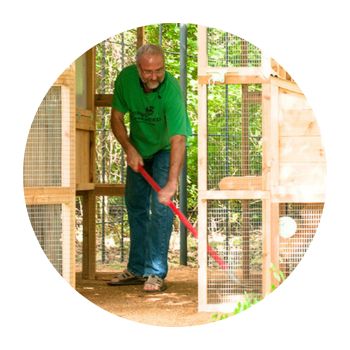
Walk-In Convenience

All Weather Design

Hinges & Latches
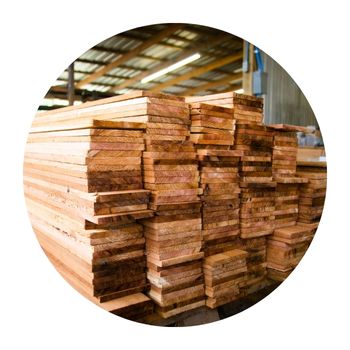
100% Cedar

Predator Safe
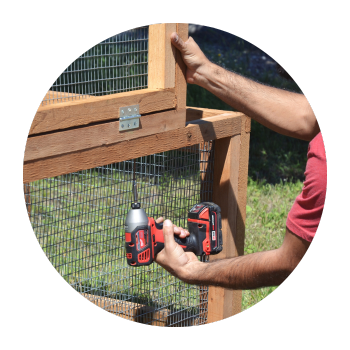
Easy Assembly

Lifetime Support
More space for you AND your chickens!
 Discover our Walk-In Series coops—spacious havens designed for you and your flock! Stand tall while cleaning, collecting fresh eggs, or simply chilling with your chickens. Stay out of fowl weather🤣. Chicken keeping has never been this easy and fun.
Handcrafted in Central Texas from premium all natural western red cedar, tough welded wire, and stainless steel hardware built to withstand rain, shine, or snow.
We’re with you for life: expert advice, warranty support, and tips for newbies or pros alike. Trusted by happy chicken keepers in all 50 states—find your perfect walk-in style coop today!
Showing all 9 resultsSorted by latest
-
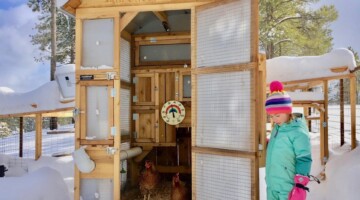
Round-Top Stand-Up Chicken Coop
 Up to 6
 24/wk
24/wk $3,190
 Why?
×
Why?
×Why This Coop? – Stand-Up Chicken Coop
A sleek, walk-in coop for smaller flocks of up to 6 hens. Stand fully upright inside to clean, gather eggs, or simply hang out with your birds—no crouching required. All essentials, including egg boxes and optional no-mess feeder and waterer are also accessible from outside for extra convenience.
-

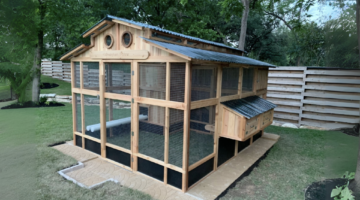
Heritage Chicken Coop | Model 12
- Up to 20
- 100/wk
- $11,390
- Why?
×
Why This Coop? – Heritage 12 Chicken Coop
Elevate your backyard with a large chicken coop (keep up to 20 chickens) that’s as beautiful as it is functional. The Heritage 12 includes premium materials, oversized roosts, spacious nesting boxes, integrated no-mess feeder and waterer, built-in storage, and two programmable automatic chicken doors. It’s more than a coop—it’s a statement piece you’ll enjoy for the next decade or more.
-
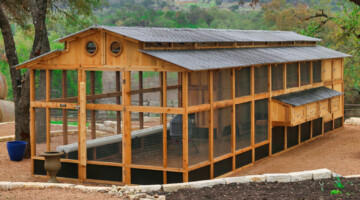
Heritage Chicken Coop | Model 30
- Up to 40
- 200/wk
- $18,900
- Why?
×
Why This Coop? – Heritage 30 Chicken Coop
Spacious comfort for up to 40 hens with every premium feature of the Heritage line: integrated no-mess feeders and waterers, built-in storage, two programmable automatic chicken doors, premium materials, and stainless steel hardware. With a footprint made for large flocks, this coop is built to perform—and impress—for the next decade.
-
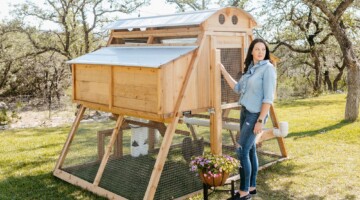
Round-Top Loft Chicken Coop
- Up to 10
- 48/wk
- $4,490
- Why?
×
Why This Coop? – Loft Chicken Coop
A show-stopping coop with space for up to 10 hens. The Loft’s tall profile lets you stand upright inside for easy cleaning, plus it’s our only coop with built-in dropping boards. Thoughtfully designed to keep chickens happy, but beautiful enough to turn heads in any backyard.
-
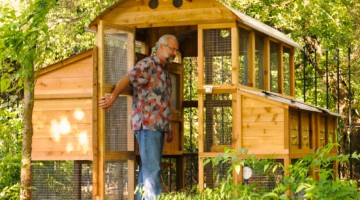
Round-Top Walk-In Chicken Coop
-
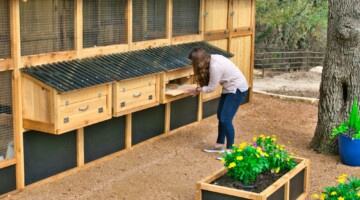
Heritage Chicken Coop | Model 40
- Up to 50
- 250/wk
- $23,900
- Why?
×
Why This Coop? – Heritage 40 Chicken Coop
Our largest and most impressive coop, the Heritage 40 houses up to 50 chickens in style. It’s fully loaded with premium materials, oversized roosts, spacious nesting boxes, integrated no-mess feeders and waterers, built-in storage, and two programmable automatic chicken doors. If you’re going big, go all the way—this coop will be the centerpiece of your yard for the next decade or more.
-
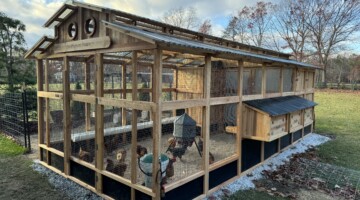
Heritage Chicken Coop | Model 20
- Up to 30
- 150/wk
- $14,990
- Why?
×
Why This Coop? – Heritage 20 Chicken Coop
Room for up to 30 chickens in a premium-quality chicken mansion. The Heritage 20 comes standard with stainless steel hardware, integrated no-mess feeder and waterer, built-in storage, two programmable automatic chicken doors, and exceptional craftsmanship throughout. It might seem over the top—but if it’s going to be in your yard for the next 10+ years, why not get the best?
-
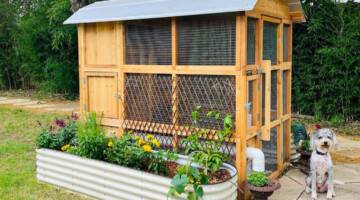
Round-Top Stand-Up XL Chicken Coop
- Up to 8
- 36/wk
- $3,899
- Why?
×
Why This Coop? – Stand-Up XL Chicken Coop
Interested in a practical coop that also looks great? The Stand-Up XL houses up to 8 chickens (about 4 dozen eggs a week) with space for you and your flock to move comfortably. Add optional no-mess feeders, waterers, or storm panels to make chicken keeping simple in any season.
-
Round-Top Walk-In XL Chicken Coop
- Up to 25
- 120/wk
- $7,690
- Why?
×
Why This Coop? – Walk-In XL Chicken Coop
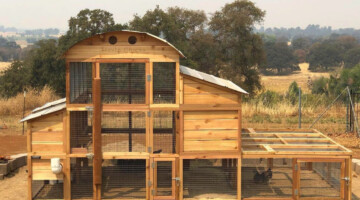
A high-capacity coop (up to 25 chickens) that’s as good-looking as it is functional. The Walk-In XL’s spacious run keeps hens active and protected, while the tall interior makes tending to your flock easy. For even easier chicken keeping experience add-on integrated no-mess feeders and waters. Designed to keep both chickens and chicken keepers happy.

Learn Even More…
-
Yes, Roost and Root chicken coops are absolutely worth the investment—they outshine flimsy, imported competitors that often fail within a few seasons, leaving you with costly replacements and stressed birds. With more than 10,000 sold and literally millions of eggs laid in Roost & Root Coops every year… you’re guaranteed a great experience.
Here’s why a premium Roost and Root coop beats the competition hands down:
- Superior materials for unmatched durability: Crafted in the USA with top-grade cedar board lumber (not cheap, thin stuff prone to warping and decay), ensuring your coop withstands harsh weather, UV exposure, and years of use without rotting or becoming weak.
- Lasting craftsmanship built to endure: Larger, precision-engineered panels with pre-attached 16-gauge galvanized welded livestock wire—no plywood or shoddy construction here. This thoughtful design minimizes weak points, delivering a structure that’s far more robust than mass-produced knockoffs or other competitive coops.
- Predator-safe protection you can trust: Extremely secure wiring and reinforced features keep out foxes, raccoons, and other threats, unlike budget coops with thin mesh that predators easily breach—giving you peace of mind 24/7.
- Low maintenance for effortless ownership: Designed to require minimal upkeep, with weather-resistant cedar that naturally repels pests and moisture, saving you time and money on repairs compared to high-maintenance particleboard options.
- Easy assembly and superior animal welfare: Smart Kits™ allow a 2-person DIY setup without frustration; designs provide ample space for hens, promoting healthier flocks and better egg production—features other coops struggle to match.
If you’re asking “are Roost and Root coops worth it?”, the answer is a resounding yes—they deliver lifelong value through reliability, safety, and performance that outclasses the competition every time, paying for themselves in reduced hassles, happier hens and more eggs.
-

Our goal is for the purchase of your new chicken coop to be as surprise-free as possible. In our “What to Expect” section we take our experiences with 10’s of thousands of customers and try to outline things we’ve learned that are consistently important. And of course, if there is some concern that we’re not addressing, just call us at 877-741-2667 and we’ll help you out in person.
Read carefully all the information about a product. We’re not trying to hide anything, but to keep web pages less cluttered, many details are organized in tabs or toggles.
Carefully review the information on your cart page. We try to answer questions there too.
Wherever you see the info icon or “Note”, we’re trying to bring something to your attention.
Most of our products are delivered via freight because of their large size. We package your purchase carefully to protect it during transit. How your item is treated after it leaves our facility is outside our control, but we will make right any shipping damage whether it’s our fault or not.
Shippers will contact you by phone to arrange for your order to be dropped off at an accessible location at the delivery address. Products are designed so that individual pieces can be transported by hand to their final place of assembly.
Written instructions are provided for each order and “assembly overview” videos are available for almost everything we sell to give customers (or your handyman) a good idea of what is involved in assembling your purchase before you buy. Most of our products are designed to be assembled by 2 people and in all cases, by people of ordinary skills. We rely on you having a cordless drill, maybe a hammer, and in some cases, a tape measure. Digital copies of the instructions are on each product page and also in the help section.
We try to write instructions for a balance of visual and written use. If you hire a handyman, you’ll want to make sure they read instructions too. Our products cannot be assembled as intended without using the instructions. If you or your contractor do have problems during assembly, you can either call or text us. We’ll support you until you’re up and running and beyond. Accessories are made to work with our products. We do not warrant their use with products other than those that they are intended for.
Temporary snow loads of ~ 24″ – 30″ deep ordinary snow on the roof have been accounted for. That’s a lot of snow. However, snow should be knocked off often when possible. The icing on the edges of the roof may need to be addressed as well.
-
We know you have options when it comes to purchasing your new chicken coop or garden products, but we’re confident that we will meet or exceed your expectations, and here’s why…
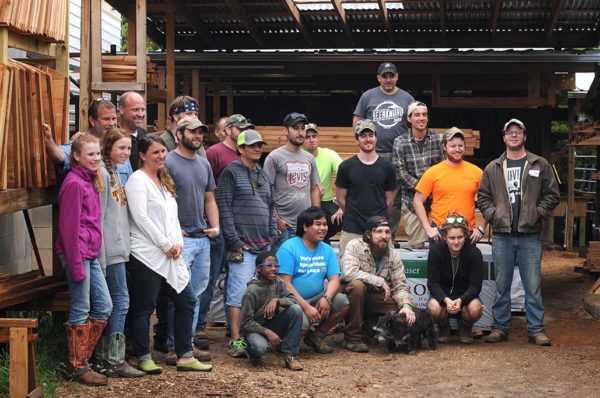
#1 We’re real people! Our company is made up of real outdoor-loving people, just like you, and we’re excited to share our knowledge. We don’t just sell products, we use them ourselves, every day. We do what we do every day of the week, and we love answering questions about what we sell.
#2 We’re not just a .com: We’re not just another drop-shipping pop-up site that someone started in their basement to make money. We started our business the old-fashioned way using friends and family and by hard work and great customer service have grown it into something that not only supports our family but supports dozens of other families too.
#3 We take it personally: We make what we sell and truly take it personally if you’re not 100% satisfied with your experience. We want to earn your business, not just for today, but for many years to come. We understand the power of good relationships and the trust that can only be created from following through on the big and little things alike. We’re still human and we make mistakes, but it’s how we handle them that makes us different.
Roost & Root chicken coops are designed by people who keep chickens, built by craftsmen who take pride in their work, and backed by a warranty that means something. Handcrafted in the USA from solid cedar wood — a naturally weather-resistant hardwood that outlasts pine, resists rot, and keeps your flock safe season after season. Our wooden chicken coops range from small backyard chicken coops for 3–4 hens up to large walk-in chicken coops for 50 birds. Need a chicken coop with run already built in? Every one of ours has one. Looking for an outdoor chicken coop built from real wood that actually lasts — not plastic, not pine, not flat-pack imported junk? You found it. Prefer a chicken coop kit you can assemble yourself, or a chicken tractor that moves around your yard? We’ve got both. Cedar chicken coops, walk-in coops, backyard coops, large chicken coops — all made in Texas, all built for life. Questions before or after you buy? We’re here — no chatbots, no runaround, no bull.